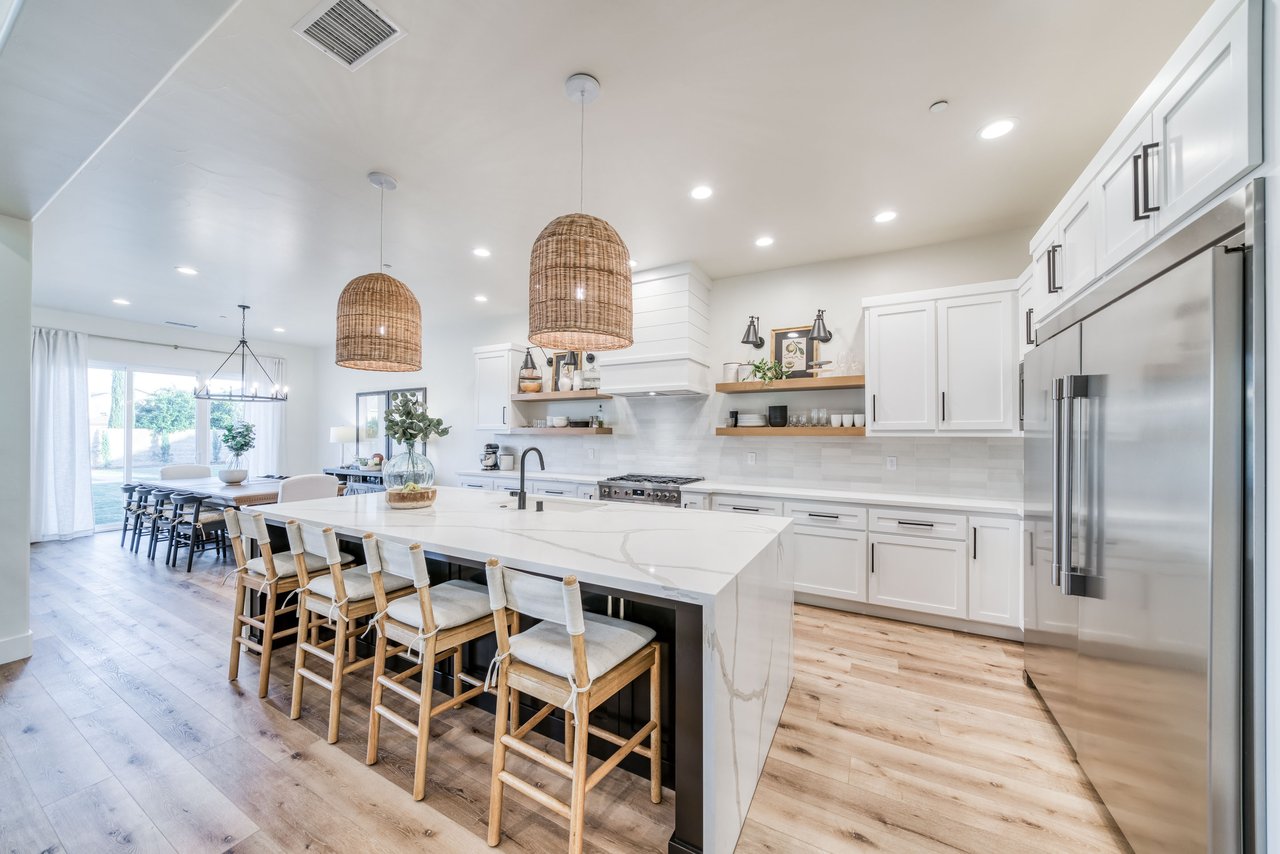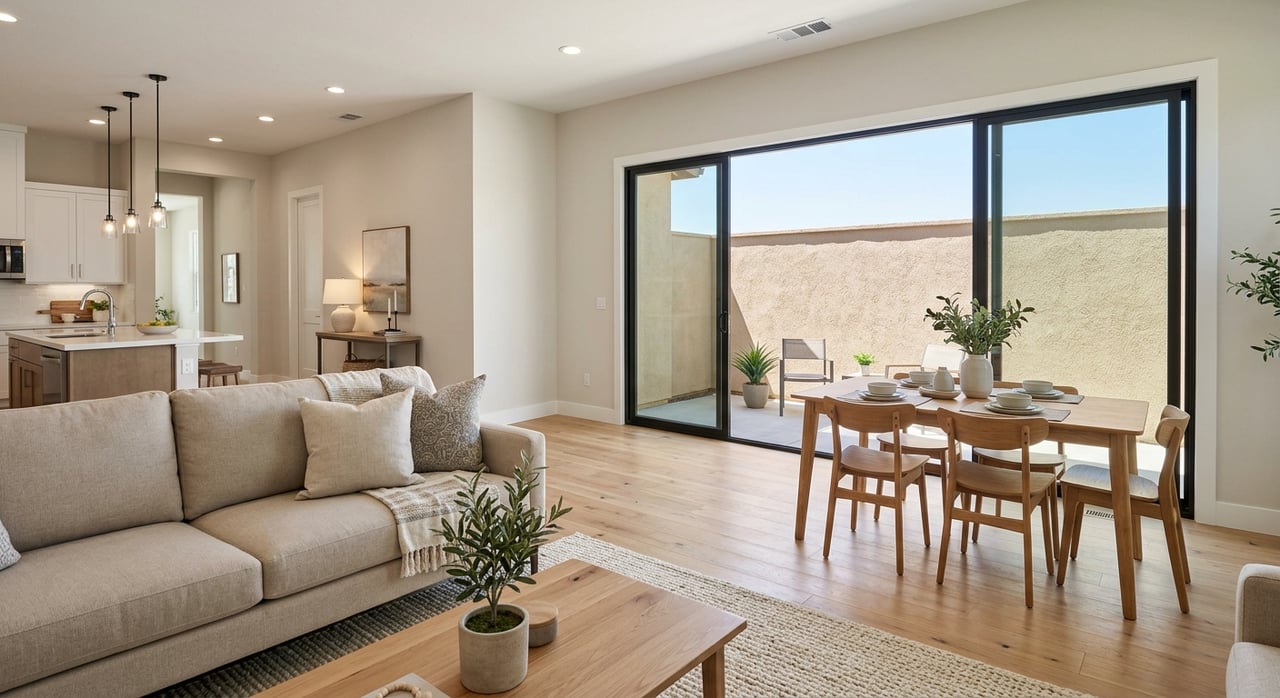
Thinking about selling your Clovis home and wondering what comes first? You are not alone. From pricing and prep to disclosures, escrow, and closing costs, the process can feel like a lot to manage. The good news is that a clear checklist can help you stay organized, avoid delays, and make smarter decisions from day one. Let’s dive in.
Start With a Clovis Pricing Baseline
Before you schedule photos or plan showings, you need a realistic idea of your home’s market position. Current public data shows Clovis remains a competitive market, but the numbers vary depending on the source and method used.
Recent trackers show a wide range. Redfin reports a median sale price of $456,477 over the three months ending May 2026 and about 39 days on market. Zillow reports a typical home value of $519,666 with homes going pending in about 15 days, while Realtor.com reports 46 median days on market and a 100% sale-to-list ratio in March 2026.
The key takeaway is simple: well-priced homes in Clovis can still move quickly, but there is no single number that fits every property. Your pricing strategy should reflect your home’s condition, updates, location within Clovis, and how it compares to current competition.
Build Your Seller Checklist Early
A smooth sale usually starts before your home ever hits the market. A practical seller plan moves from valuation to repairs, then to cleaning, staging, photography, and listing.
If your home needs only light cosmetic work, a reasonable planning estimate is about 1 to 2 weeks for prep. After you accept an offer, a financed sale often takes about 30 to 45 days to close, though timing can vary based on the buyer, lender, and escrow details.
Your basic pre-listing checklist
- Get a pricing review and market baseline
- Make a list of needed repairs and maintenance items
- Gather permit records for past work
- Deep clean the home
- Declutter rooms, closets, and surfaces
- Prepare for professional photography
- Organize disclosure paperwork
- Review title-related documents if available
Handle Repairs Before They Become Negotiation Points
Buyers have the right to inspect the home’s electrical, plumbing, and structural condition. Those findings can affect negotiations, repair requests, and buyer confidence.
That is why taking care of obvious maintenance issues before photos and showings can help. Small problems often feel bigger once they appear in an inspection report.
Check permits before larger work
In California, a permit is required before most erection, construction, alteration, repair, removal, conversion, or demolition work. If you are planning more than routine maintenance, it is smart to verify permit requirements before the work starts.
This matters for both timing and paperwork. Permit questions can come up during escrow, so handling them early can help you avoid last-minute surprises.
Get Your Home Ready for Market
Once repairs are handled, presentation becomes the priority. Clean, bright, uncluttered homes tend to photograph better and give buyers a clearer sense of the space.
You do not need to overcomplicate this step. Focus on making the home feel well cared for, easy to walk through, and ready for professional marketing.
Prep priorities before listing
- Wash windows and touch up surfaces
- Remove excess personal items
- Clear counters and open floor space
- Freshen landscaping and entry areas
- Replace burned-out bulbs
- Make sure all rooms are easy to access
For many sellers, this is also the point where strong marketing helps. Professional photography and a clear launch plan can make your listing stand out in a competitive Clovis market.
Gather the Right Disclosure Documents
Paperwork is not the most exciting part of selling, but it is one of the most important. In California, sellers must complete a disclosure statement covering the property’s physical condition and any hazards or defects.
The disclosure process can also include special taxes, assessments, and other factors that may affect value or desirability. In addition, the agent is expected to conduct a visual inspection for readily observable defects.
Disclosures sellers should expect
- Transfer Disclosure Statement covering condition and known defects
- Natural Hazards Disclosure Statement if the property is in a state-mapped hazard area
- Lead-based paint disclosure and EPA-approved pamphlet for most homes built before 1978
- Permit records or contractor documentation for prior work, when available
Having these items ready can help support smoother negotiations. It also gives buyers more confidence that the sale is being handled with care and transparency.
Review Title Issues Before Closing
The preliminary title report is a key part of the sale process. It helps identify ownership history and any liens or encumbrances that may need to be resolved before closing.
This is one reason sellers benefit from gathering documents early. If there is an issue tied to title, taxes, or prior recorded items, finding it sooner gives you more time to address it.
Understand Escrow and Recording in California
In California, many real estate escrows are handled by independent escrow companies or title insurance companies. The escrow officer helps make sure the contract terms are met and the proper deed is recorded.
Once title is issued and escrow closes, the deed is typically recorded at the county recorder’s office in 1 to 3 days. That recording step is what finalizes the transfer in the public record.
What happens during escrow
- The buyer deposits funds as required by the contract
- The buyer completes inspections and financing steps
- Required disclosures and reports are delivered
- Title and escrow work through any open issues
- Final documents are signed
- Funds are transferred and the deed is recorded
Know the Fresno County Tax Details
If you are selling in Clovis, local county tax mechanics matter. In Fresno County, the recorder collects documentary transfer tax at recording.
The county states the rate is $0.55 per $500 of conveyed value, and it also states that this is the only transfer tax imposed in the county. This is a useful cost item to keep in mind as you estimate your net proceeds.
Property tax timing matters too. Fresno County annual property tax bills are mailed on or before November 1, with the first installment due November 1 and delinquent December 10. The second installment is due February 1 and delinquent April 10.
Watch for supplemental tax bills
A sale can still trigger a supplemental assessment after closing. Fresno County and the State Board of Equalization explain that after a change in ownership, a supplemental assessment may be issued and prorated for the months remaining in the fiscal year.
That means you could see a post-closing supplemental bill even if current-year property taxes were already prorated through escrow. It is an important detail to keep on your radar when planning your move.
Plan a Realistic Selling Timeline
One of the most common questions sellers ask is how fast a Clovis home can sell. Based on current public market trackers, the answer depends on the source and the metric.
Current data suggests roughly 15 to 46 days to pending or sale. That range supports a practical message for sellers: Clovis is competitive, but your exact timeline will depend on pricing, condition, buyer demand, and how smoothly your prep and escrow process go.
A realistic working timeline often looks like this:
| Stage | Typical Planning Range |
|---|---|
| Pre-list prep | 1 to 2 weeks for light cosmetic work |
| On market to pending or sale | Roughly 15 to 46 days depending on the source and property |
| Accepted offer to closing | About 30 to 45 days for a financed sale |
| Recording after closing | Usually 1 to 3 days |
Use a Step-by-Step Approach
Selling a home usually feels easier when you break it into clear stages. Instead of trying to do everything at once, focus on what moves the sale forward.
Clovis home selling checklist
- Start with a current home valuation
- Set a pricing strategy based on local market conditions
- Walk the property and note repairs or maintenance items
- Verify permit needs or gather records for past work
- Deep clean, declutter, and prep for photos
- Complete seller disclosures
- Review title-related documents and possible issues
- List the home with a professional marketing plan
- Respond to inspections, negotiations, and buyer requests
- Move through escrow, closing, and recording
Why Process Matters in a Competitive Market
When homes can move quickly, preparation matters. A home that is priced with care, presented well, and backed by organized paperwork often creates a better experience for everyone involved.
That does not mean every sale will follow the same script. It does mean that a strong plan can help you reduce stress, protect your timeline, and make better decisions from valuation to closing.
If you are getting ready to sell in Clovis, working with a local professional who understands pricing, presentation, and the local process can make a real difference. When you are ready for a value-focused game plan, connect with Bennie Clay for local guidance and your next steps.
FAQs
How fast can a home sell in Clovis, CA?
- Current public market data suggests roughly 15 to 46 days to pending or sale, depending on the source and the metric being used.
What paperwork matters most before listing a Clovis home?
- The most important items usually include the seller disclosure statement, permit records for prior work, and title-related documents.
What inspections should Clovis sellers expect buyers to use?
- Buyers may inspect the home’s electrical, plumbing, and structural condition and use those findings to negotiate repairs or credits.
What local transfer tax applies when selling a home in Fresno County?
- Fresno County collects documentary transfer tax at recording at a rate of $0.55 per $500 of conveyed value.
Can a seller or owner get another tax bill after a Clovis home sale closes?
- Yes. A change in ownership can trigger a supplemental assessment that may be billed after closing.
How long does recording usually take after a California home sale closes?
- Once title is issued and escrow closes, the deed is typically recorded in 1 to 3 days.